
Documentary Photography Pricing for Weddings
You’ve likely seen wedding photography pricing all over the place. One photographer quotes 3,500. Another starts at 12,000. And somewhere in between, it all starts blurring together.
It’s not always clear what you’re comparing. On paper, it can look like the same service. A set number of hours, and a gallery delivered after the day. But the experience, intention, and way your story is held can feel entirely different.
I think that’s where most of the confusion comes from.
I’m a documentary wedding photographer, and I want to walk you through this with transparency. Not just the numbers, but what shapes them. What you’re stepping into when you hire someone to capture something this personal.
There’s a reason the range is so wide, and it has little to do with just showing up and taking photos.
This is about how your day is seen and how it’s remembered long after it’s over.
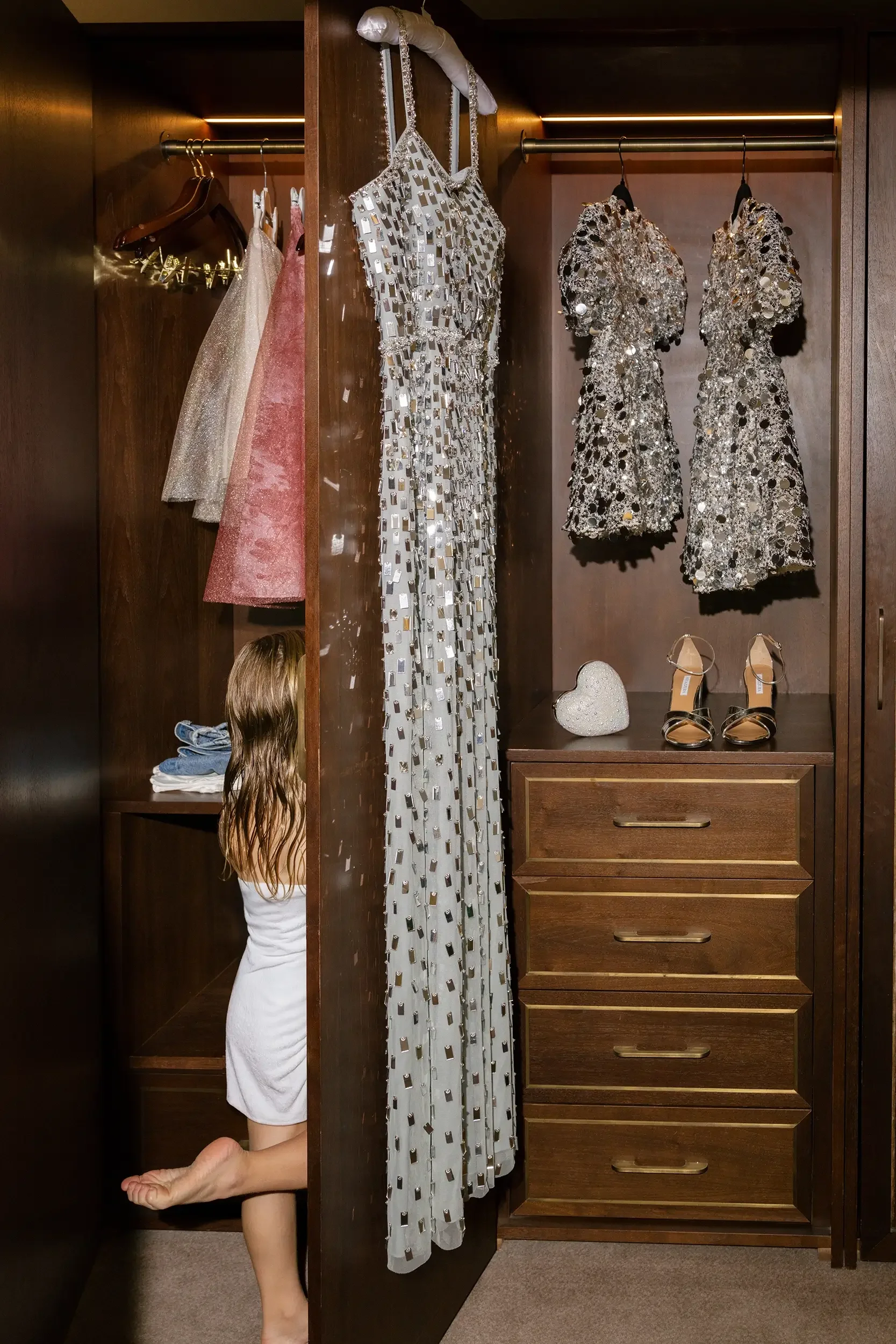
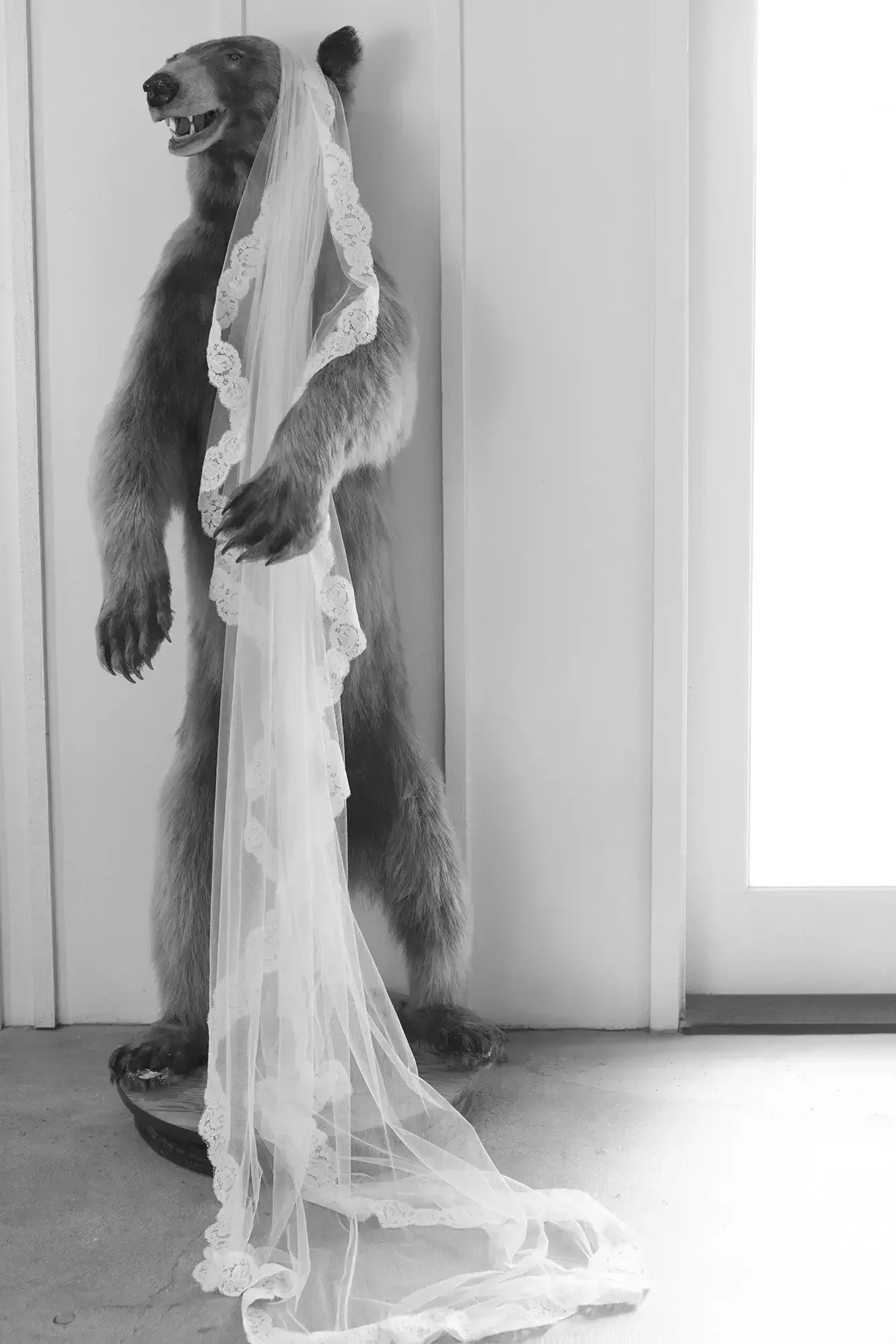
Average cost for wedding photography
Wedding photography shifts based on how your day is structured, how much coverage you need, and the level of support it takes to document it well.
As for me, I have base offerings, but every couple gets a custom proposal, because rarely does a wedding fit perfectly into a pre-determined box. The timeline, location, whether it’s a single day or a full weekend, how many people on my team are involved, and how you want it to feel all shape the proposal.
My offerings start at 8,000, and most of my couples invest around 9,000 – 15,000. That range allows for enough space to document the weekend in a way that feels complete, without rushing through it or cutting moments short.
A custom proposal might include:
8-12 hours of coverage
35mm + 120 film
Engagement session
A curated and color-corrected gallery
Additional photographers, depending on the scale of the day
Drone photography
Pre-wedding planning and timeline support
From there, everything is tailored. Some couples add coverage for a welcome dinner or extend it into a full weekend. Others keep things more focused and intentional within a single day. Most of my couples care about having their story documented with depth. Not just the major events, but the in-between moments that shape how the weekend felt.
That level of coverage creates space for something more meaningful and real.
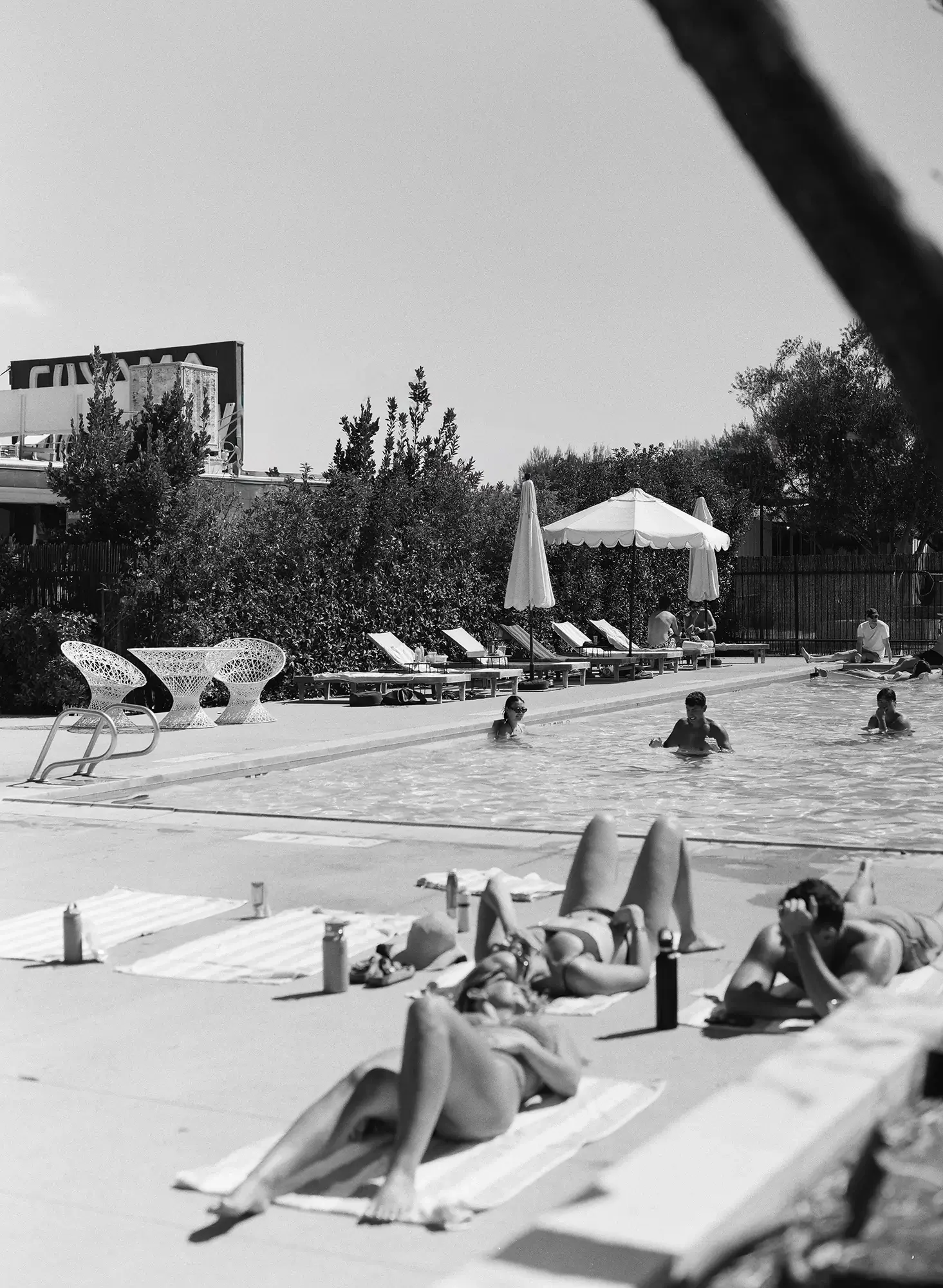
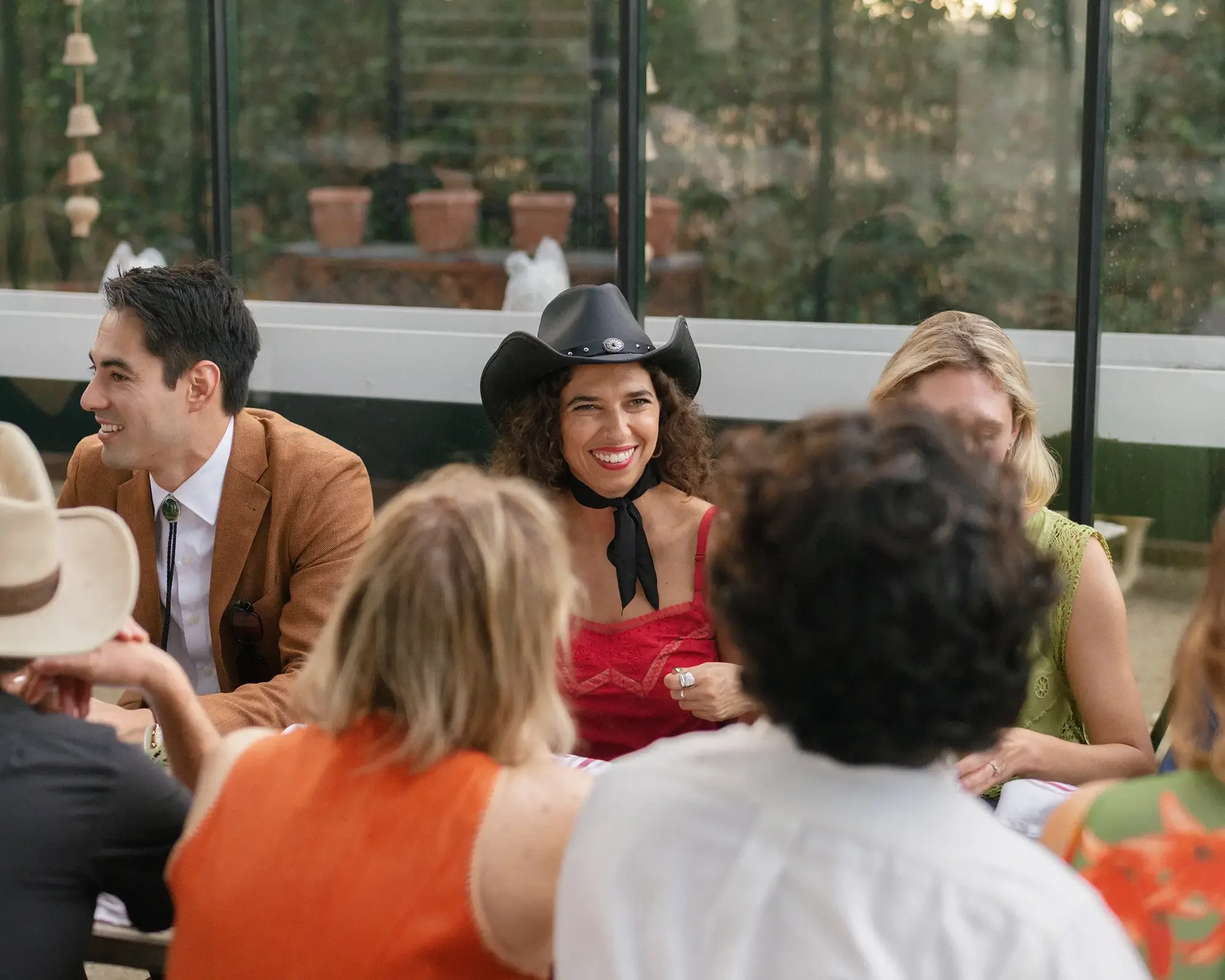
What you’re really paying for
On the surface, wedding photography can look like a number tied to hours. But what you’re investing in goes far beyond the time your photographer is physically there. It’s everything that allows your day to be documented with care and consistency.
Weekend Coverage
This is the most visible piece, as it’s the time spent with you on the wedding day or across the weekend. But it’s not just about being present. It’s about knowing when to step in, when to step back, and how to move through the day in a way that supports the experience while documenting it honestly.
Editing and curation
For every wedding, I personally cull, color correct, and edit the gallery from start to finish. That hands-on process is how the images stay consistent in tone and true to the atmosphere of the day.
The curation of your weekend is where the gallery becomes cohesive. The pacing, color, quiet in-between frames, and larger moments all start speaking the same visual language. That care behind the scenes is part of what you’re investing in.
Experience and consistency
Weddings don’t unfold in controlled environments. Timelines shift, weather changes, and unexpected moments happen. Experience is what allows my team and me to adapt without disrupting the flow of your day. It’s also what ensures your gallery feels consistent from start to finish, no matter what variables come into play.
Planning, communication, and creative collaboration
Your wedding gallery starts taking shape long before the wedding day arrives. We’re having conversations, planning out your timeline, walking through the venue, and creating a moodboard specific to your vision.
For each couple, I spend time understanding what matters most to them and how they want their celebration to feel.
The more I understand your priorities, the more intentionally I can document them. Whether that comes through conversations with you or collaboration with your planner, that preparation allows me to arrive as someone who understands your vision and knows how to move through your celebration.
Gear and backup systems
Every part of my setup is intentional. Professional camera bodies, multiple lenses, lighting tools, and redundant backups for everything. From memory cards to hard drives, your images are protected at every stage. There’s no single point of failure.
Additional photographers when needed
Some celebrations call for more than one perspective. My team allows for broader coverage and more depth. Think different angles during the ceremony and simultaneous moments happening in different spaces. It adds dimension to the final gallery in a way one person alone can’t fully replicate.
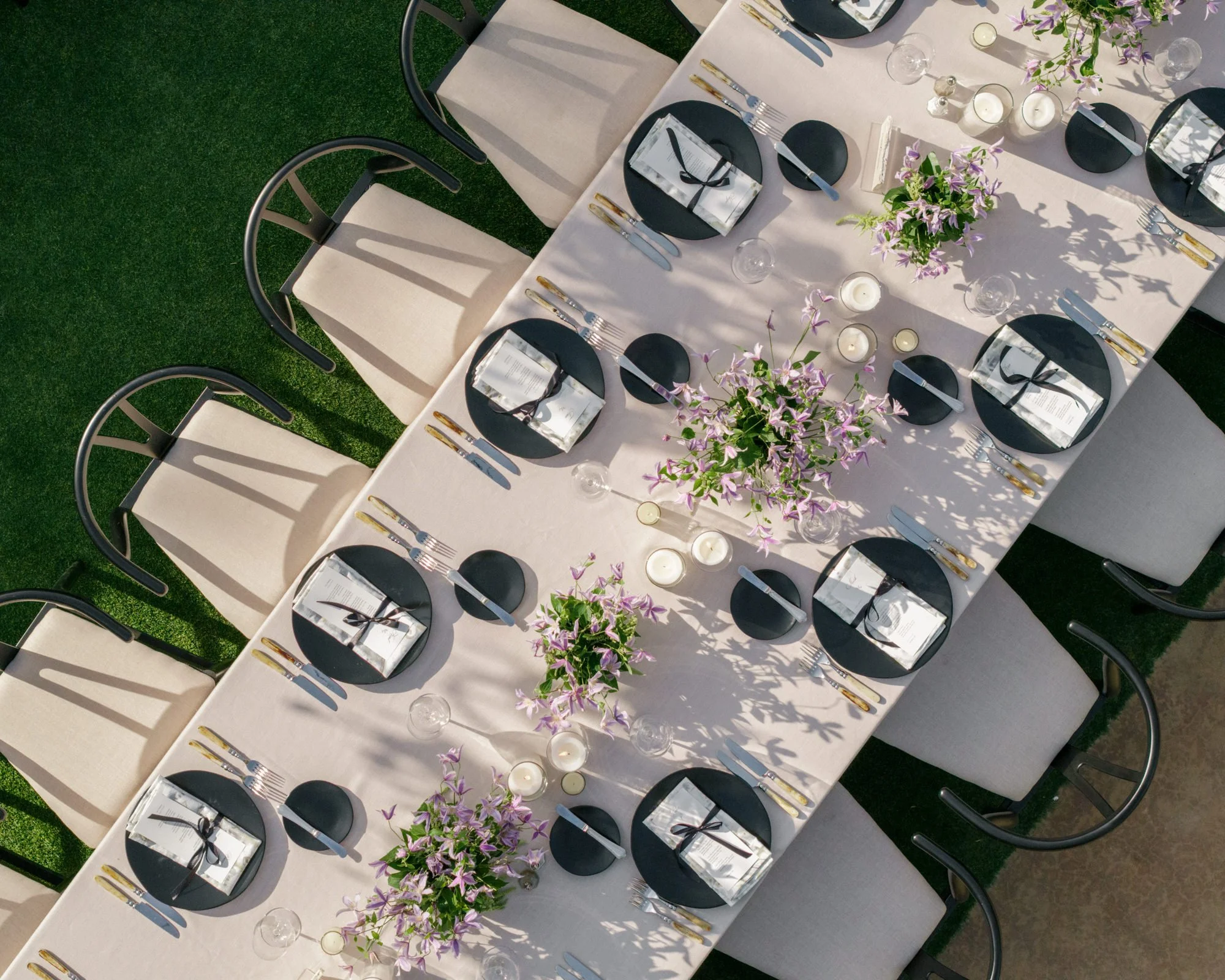
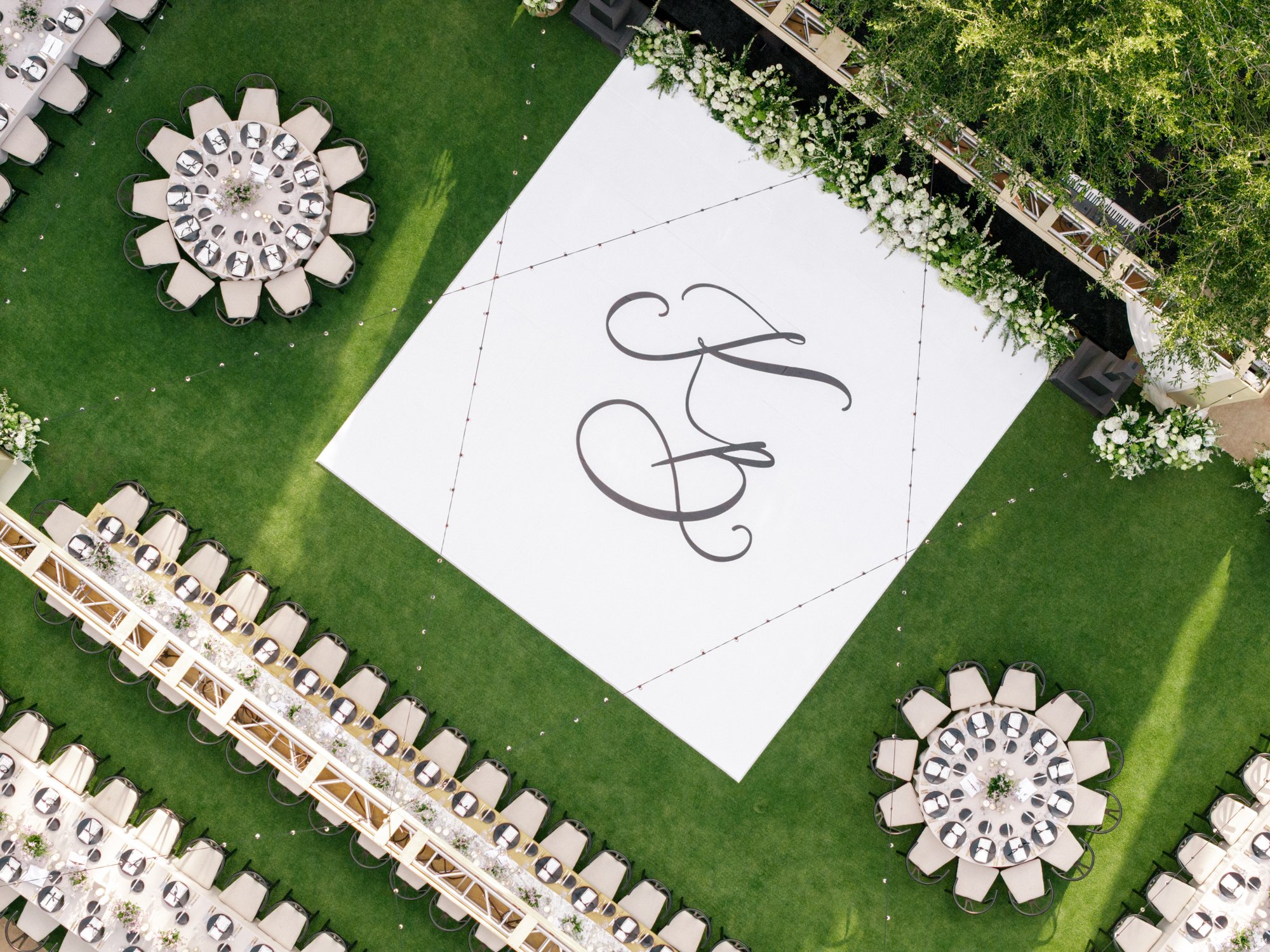
Drone photography can add another layer as well. It creates opportunities to document the setting and scale of a celebration from a different perspective. Regardless of your venue, those wider views help tell the story of the world you’ve created around your wedding day.
Potential examples
Since everything is tailored, there isn’t a fixed menu of packages. But to give you a clearer sense of what this can look like, here are a few starting points on how different celebrations may be structured:
Wedding Day Coverage
· Up to 8 hours of wedding day coverage
· Digital photography
· Mandee as your main photographer
· Aerial photography
· Sneak peeks within a week
· Online gallery for viewing + ordering
· Digital download of final wedding images
FULL WEDDING DAY
· Up to 12 hours of wedding day coverage
· Hybrid film + digital photography
· Mandee as your main photographer
· Associate photographer
· Aerial photography
· Sneak peeks within a week
· Online gallery for viewing + ordering
· Digital download of final wedding images
Full Wedding Weekend
· Up to 18 hours of coverage over the weekend
· Hybrid film + digital photography
· Mandee as your main photographer
· Associate photographer for wedding day + welcome party
· Aerial photography
· Sneak peeks within a week
· Online gallery for viewing + ordering
· Digital download of final wedding images
Everything is adjusted to fit your plans. Multi-day coverage, destination travel, or ancillary events are all built in, depending on what your weekend looks like.
Most couples don’t fit neatly into a template, and they shouldn’t have to.
What to look for
Some couples choose their photographer based on a few images on a website. But really, it’s about finding someone who can read the room and document it in a way that feels aligned with you and your partner. A seasoned documentary wedding photographer knows where to be and when to capture each moment, and while this requires trust, it also allows you to let go and be fully present during your celebration.
There are a few things I always encourage couples to pay attention to.
Style consistency
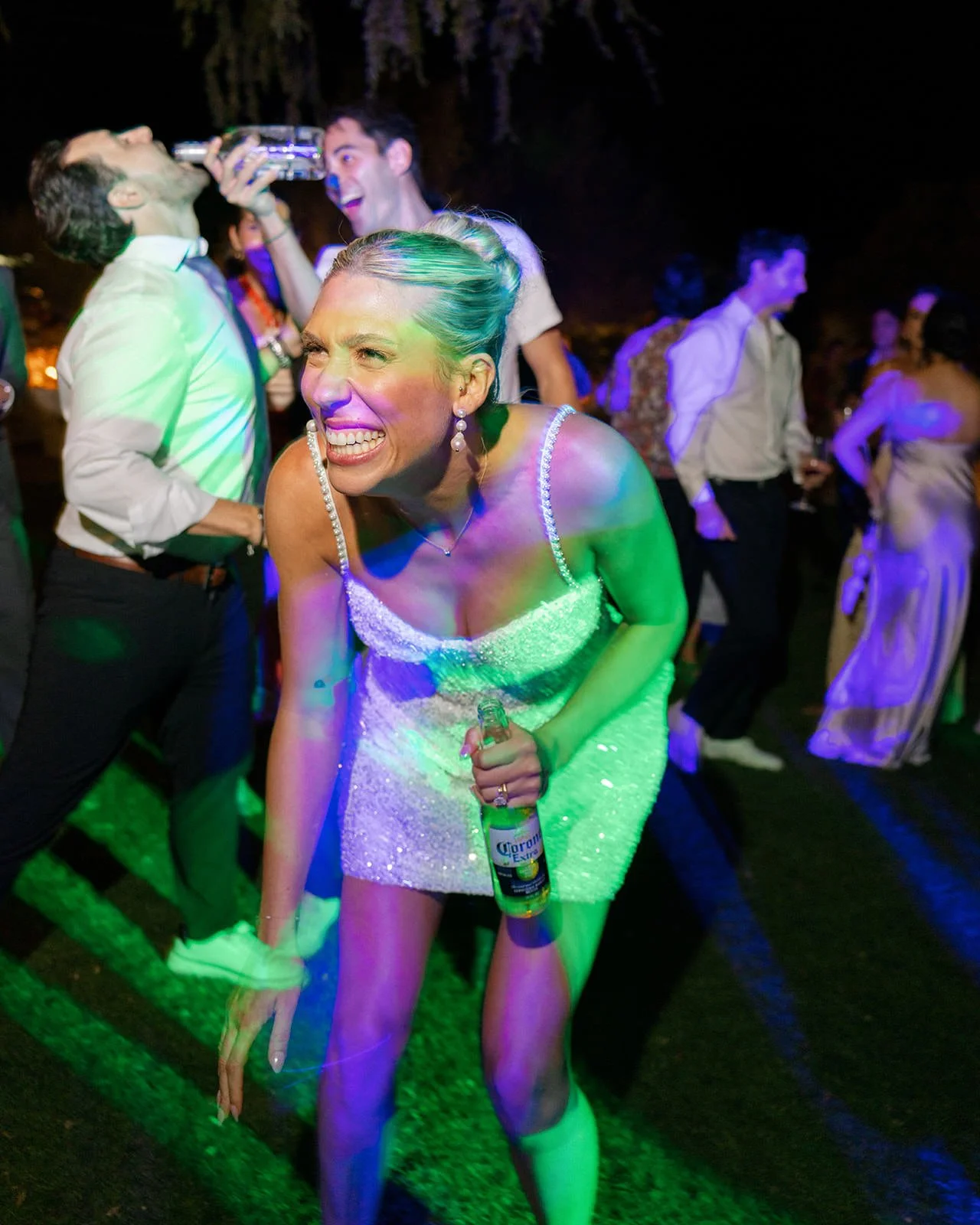
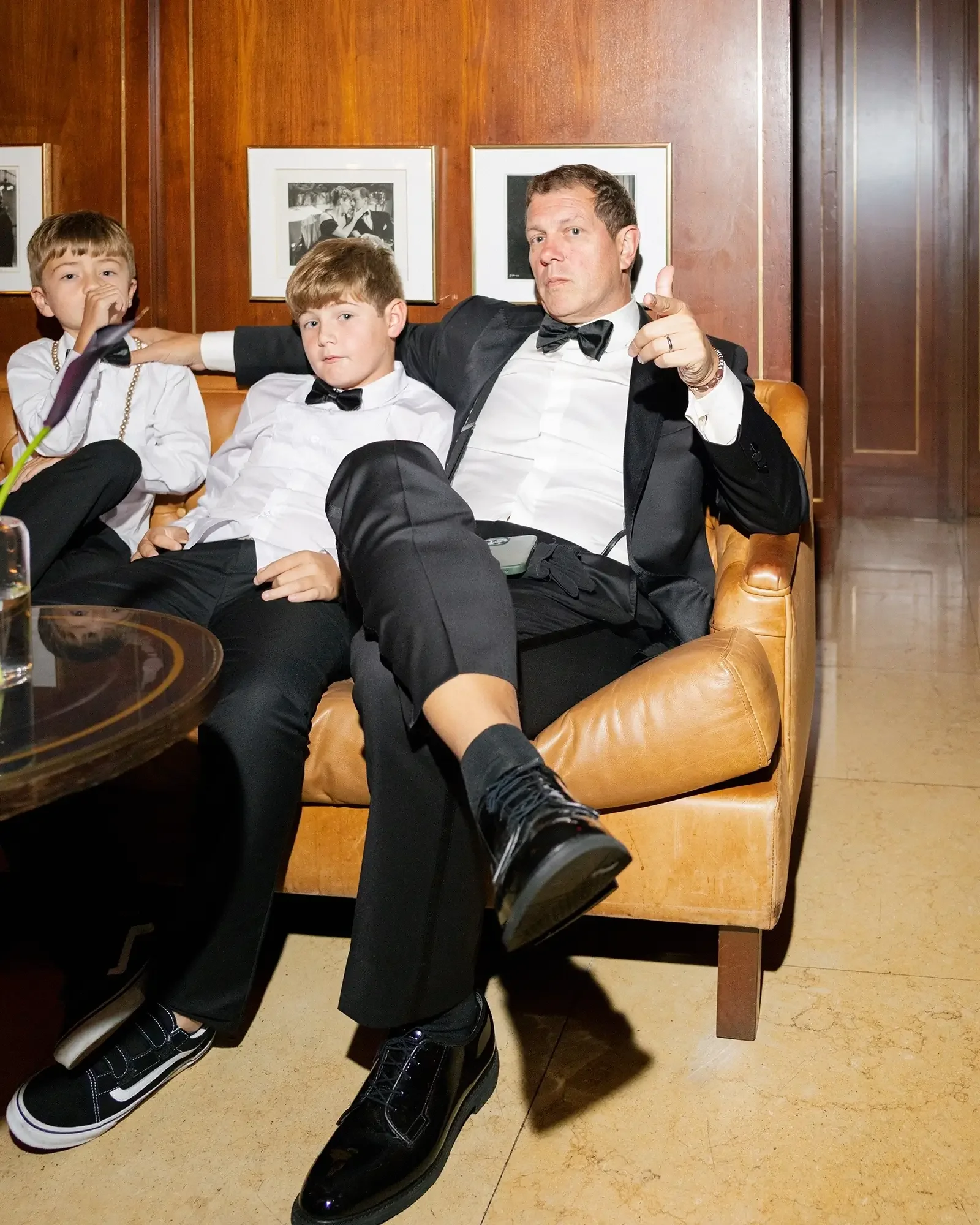
Look beyond the highlights. Anyone can curate a strong Instagram feed. What matters is how a full gallery feels from beginning to end. Are the images consistent in tone, color, and perspective? Does the storytelling hold up across different parts of the day? That consistency is what ensures your photos feel cohesive instead of just a collection of isolated moments.
Personality fit
You’ll spend a significant part of your wedding day with your photographer, so the energy they bring matters. You should feel comfortable. Supported, not directed every second. When there’s a natural connection, you can relax into the day. And that ease shows up in the photos.
Hospitality + Communication
A great photographer puts your experience first. Pay attention to how they communicate, support their couples, and how quickly they respond. Do they create an environment where people are comfortable being themselves? The right photographer will put you at ease, and feeling understood early on creates a different kind of trust.
Reliability
There’s a level of steadiness that comes from working with someone who knows how to handle the unexpected. Things don’t always go exactly as planned. That’s why you want someone who can adapt without bringing stress into the space. Someone who shows up prepared, grounded, and ready to support the day as it unfolds.
Is wedding photography worth this cost?
This is one of the most common questions, and it’s a fair one.
When the day is over, the flowers are gone. The table settings are cleared. What remains are your photos and the way they bring you back.
The way your partner reached for your hand without thinking. The energy in the room before you walked down the aisle. The quiet moments you didn’t even realize were happening while everything else was unfolding.
That’s what lasts.
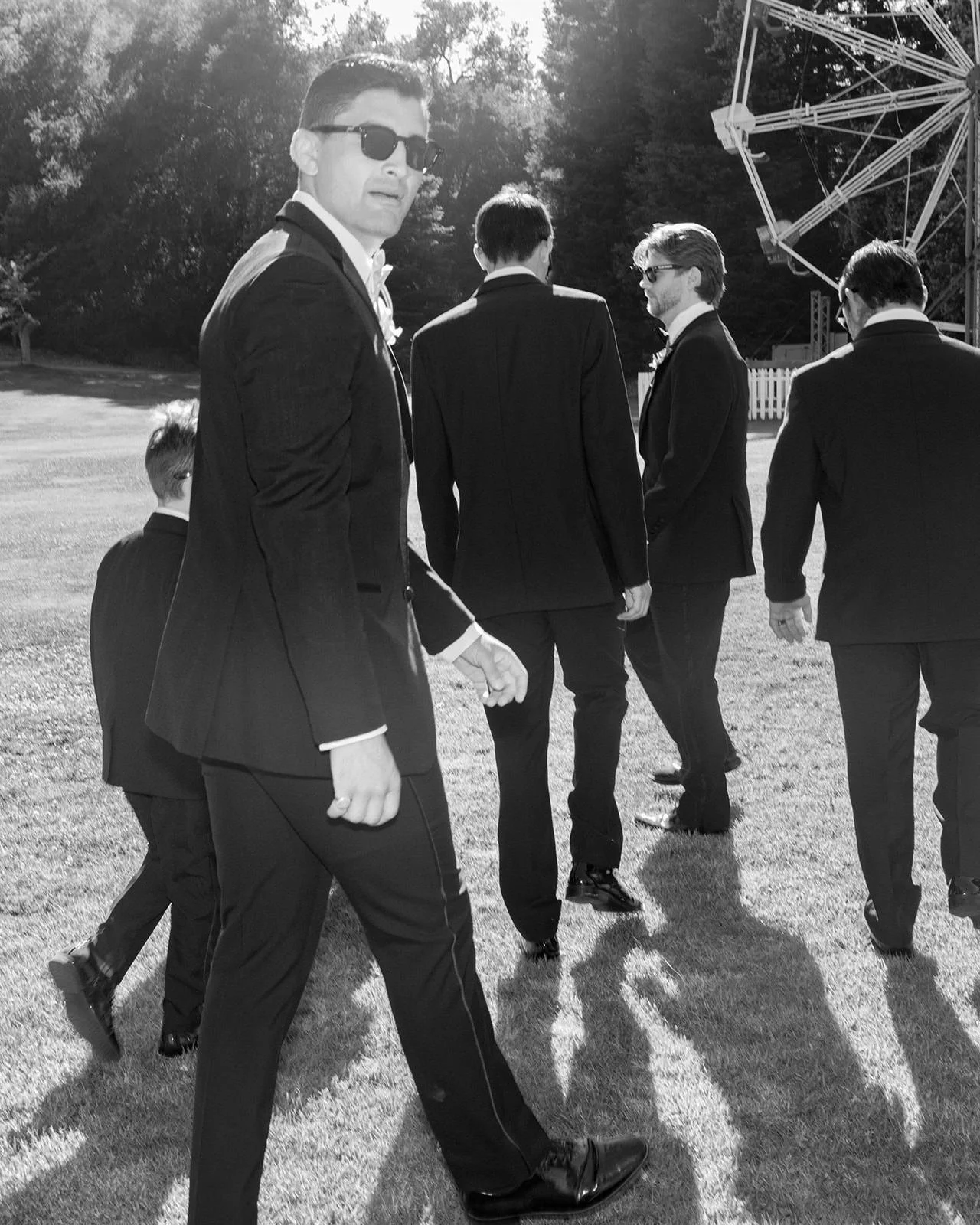
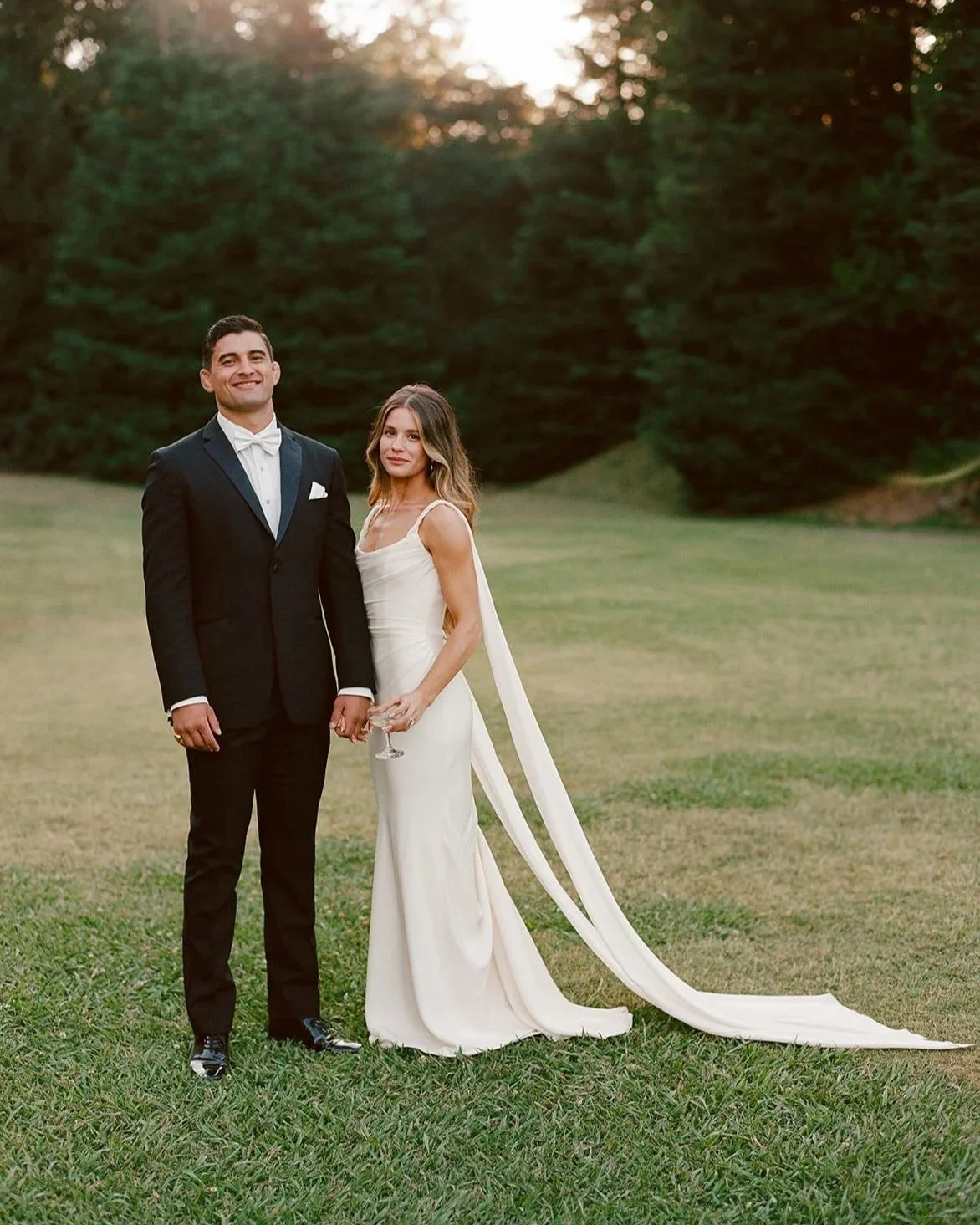
The value isn’t in perfectly posed images or checking off a list of must-have shots. It’s in having your story told in a way that feels honest. Something that lets you step back into that world years from now and recognize it instantly.
Photos like that hold onto the feeling of it. And that’s what makes them worth it.
Answering your biggest wedding photography questions
Why are wedding photographers so expensive?
What you’re seeing in the price isn’t just a day of coverage. It’s the full scope of the work. The time spent documenting, hours of editing, and the experience that allows someone to adapt in real time. There’s also an intangible layer. You’re trusting someone to step into a personal, emotional space and document it in a way that feels real. That level of care and consistency is built over years.
How do you set your pricing, and why does everyone charge such different rates?
This is a valid question. Wedding photography can range from 1,500 - 60,000+.
Everyone sets their rates differently, so I can’t speak for all wedding photographers. Here is my radically honest answer for how I set my pricing.
Several times a year, I look at my numbers. I use a spreadsheet and track my annual fixed costs, both personal and business expenses (rent, bills, website, insurance, accounting, etc.), and then I track my costs per job (film, processing, associate photographers, etc).
Next, I add the percentage I need to set aside for taxes (15-20%) and a percentage for profit (5%). This gives me my required annual revenue, aka how much money I need to live and thrive in Los Angeles.
From there, I take that total number and divide it by how many weddings I want to shoot that year, this is typically somewhere between 15 and 20 weddings. I find this number allows me to pour everything into my clients while still having some weekends off to live life and avoid burnout.
Then I divide that number one more time by 8 (the average number of hours for a wedding day), and I have my hourly rate to build my offerings for my clients.
As an example, if the required revenue is 150,000 annually.
150,000 / 18 = 8,333 (starting rate for offerings)
8,333 / 8 = 1,042 (hourly rate)
Some photographers may have partners with high-paying jobs, so they may be able to charge less, or they may have children, so their required annual revenue is higher. Maybe they’re taking care of a sick parent or saving for a house. Everyone is different, and that’s why our prices are different.
Here’s my hot tip/take: I’d suggest everyone go through this exercise at least once. It will help you know what your salary should be and give you the strength to stand behind it when you ask for that raise.
What happens if you book 20 weddings or 22 weddings that year? What happens if you only book 10 weddings?
If I book over my amount for the year, I might go on a nice holiday, invest in new gear and education, a website refresh, or all of the above! If I book fewer weddings, I will find ways to shoot more commercial and portraiture work. This is the risk you take owning your own company, but I won’t have it any other way.
How many hours is enough coverage?
It depends on how your day is structured. Some weddings move at a slower pace, with everything happening in one location. Others involve multiple spaces, larger guest counts, or extended timelines. Coverage should reflect that. What matters most is having enough time to move through the day without feeling rushed. Space to settle into moments. That’s when the most meaningful images tend to happen.
Do I need an additional photographer?
Not every wedding requires one, but some absolutely benefit from it. If your day includes multiple locations, a 150+ guest count, or overlapping moments, a second photographer adds depth. It allows for different perspectives and ensures nothing is missed while something else is happening at the same time.
For more intimate celebrations, one photographer is often enough to document the day fully.
How far in advance should we book?
Most couples reach out 12 to 6 months before their wedding. Dates tend to fill based on season and location, so the earlier you reach out, the more flexibility you’ll have.
Do you travel for weddings?
Absolutely. Travel will be included in your proposal based on where your celebration is taking place.
How many images will we receive?
Every wedding is different, but you can expect around 75-100 images per hour of coverage, depending on the length and structure of your day. The focus is always on delivering a gallery that feels complete, not just a specific number.
How long does it take to receive our photos?
Final galleries are typically delivered within 10 weeks, but don’t worry, you’ll get a preview in about a week. I take time to ensure everything is edited properly so the final result reflects the full atmosphere of your day.
Where to go from here
If this approach resonates with you, the next step is simple. Take a deeper look at my process and how I work.
If it feels aligned, reach out. I’d love to hear what you’re planning and start building something that fits your celebration.